How quantum foundries enable quantum tech applications
Published November 17, 2026
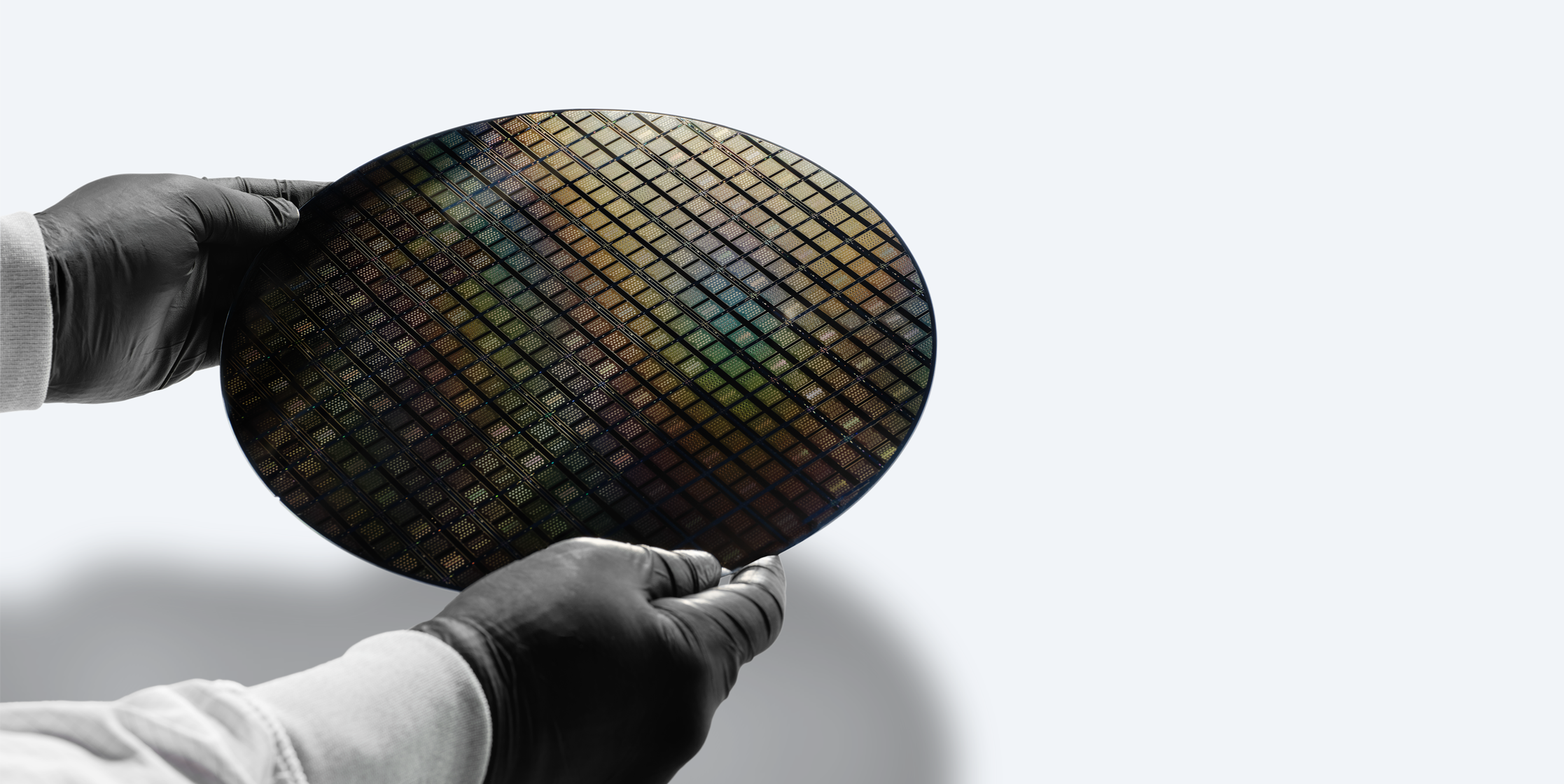
From new forms of computing to ultra-precise sensors, quantum technologies could have a broad impact across major industries. Here are the applications they are making possible and Anderon’s role in commercializing quantum breakthroughs.
The quantum industry is working on technology that expands what it’s possible to do with information.
Quantum computing is a prominent example. By processing with quantum information, it can solve certain mathematical problems much faster than any classical computer. Meanwhile, applications like quantum sensors can measure the world with a new level of detail.
These advanced technologies differ significantly, but they often share a common value chain for key components like quantum chips.
Below, we explain how quantum technologies work, their diverse applications, and the role quantum foundries like Anderon will play in commercializing them.
How does quantum technology work?
At the heart of quantum technology is the “qubit,” the basic unit of quantum information. Qubits represent information using a quantum system, such as the spin of an electron, that has at least two distinct states that can be ascribed to the 1 or 0 of binary information.
This means that the information represented by a qubit also has the properties of quantum phenomena like superposition and entanglement.
Superposition is where the common description of quantum information being “both 1 and 0 at the same time” comes from, it just means that a quantum system has a probability associated with collapsing into these different states until it is measured. This is a bit like flipping a coin. As the coin is spinning through the air it has a chance of being either heads or tails, but once it hits the ground it must be one or the other. However, a key difference is that measuring a qubit does not just reveal an outcome that could have been deduced with enough information but instead compels the system into one of its potential states. In other words, for quantum systems we can calculate the probability of each potential answer but even with full knowledge of the system we cannot know for certain what the outcome of a specific measurement will be (the exception being when a state has a 100% probability associated with it). Until a qubit is measured as being 1 or 0, both outcomes are valid views of reality and quantum information applications can take advantage of this to do useful work.
Entanglement refers to a quantum state being tied to the state of another quantum system. Imagine a pair of shoes that’s been separated into two boxes. If you open one box and see a shoe for a right foot then you know the other box must be for the left. As with superposition, the difference for quantum is that the outcome of looking in the first box is not already determined. Entanglement allows the quantum states of qubits to be linked together and is fundamental to many impactful applications for quantum technology.
By building with qubits and making use of their special properties, it’s possible to create new information technologies with capabilities that go far beyond what’s possible with classical counterparts.
Where does Anderon fit into the quantum industry?
Anderon is a pure-play quantum foundry, which means it fabricates quantum chips for other companies without designing or selling any competing chips of its own. It’s a like a factory for qubits.
Qubits are very intricate and are challenging to build well at scale. This is why Anderon is solely focused on quantum. It has the required experience, expertise, and IP to manufacture high-performing qubits on an industrial scale using 300mm wafers — as well as offering wafers for the associated quantum I/O and components likes amplifiers and filters.
By partnering with a quantum foundry, industry players can get their designs for quantum chips made for eventual use in quantum processing units, sensors, or other devices. With Anderon providing this layer of manufacturing infrastructure for the whole industry, it becomes easier for companies to have a trusted, impartial supply of quantum chips to use in commercial applications.
Dig more into how quantum foundries can help grow quantum ecosystems in this article.
What are the applications of quantum computing?
Quantum computers have a broad range of applications across major industries.
Built with qubits instead of classical “bits,” quantum computers process information differently to classical computers. This allows them to run specially designed quantum algorithms that take advantage of the properties of quantum information — such as superposition and entanglement described above — to solve certain challenges much more efficiently than a classical computer could. The efficiency gains come from finding ways to complete problems in fewer steps than classical alternatives. As tasks becomes more complex this difference can scale to create a dramatic performance gap, though how dramatic depends on the specific algorithm.
Researchers and companies have already discovered quantum algorithms for mathematical challenges like solving partial differential equations, factoring large prime numbers, multi-objective optimization, and much more.
In turn, quantum algorithms — when run on quantum hardware of sufficient scale and quality — can play a role in key industrial workflows, including for drug discovery, designing new materials, logistics, molecular simulation, and financial modeling, to name just a few. Most often, a quantum computer isn’t handling the whole workflow, but solving a particularly difficult part of it.
Quantum algorithms can also run alongside classical compute. For example, several organizations are developing new supercomputing approaches where tasks are shared between classical and quantum resources depending on what each is best suited for.
New quantum algorithms and applications are continuously being developed, and the underlying hardware is quickly becoming more powerful. Already several quantum companies have claimed examples of “quantum advantage,” computations where quantum computers outperform classical computers at a task. Expect more claims to soon follow and businesses to increase their adoption of quantum computing as more quantum-enabled workflows offer opportunities to drive value.
What are the applications of quantum sensing?
Qubits can easily collapse into a specific quantum state due to environmental factors — including sources like magnetism, gravity, acceleration, and more. Quantum sensing refers to a broad group of devices that make use of the delicacy of quantum information to make very precise measurements of the world. Applications for quantum sensors include more accurate medical scanners, atomic clocks, gravimeters for geological explorations, navigation tools, and more.
Looking ahead: Infrastructure for commercializing quantum applications
As quantum applications across areas like computing and sensing become more mature, specialized infrastructure will be needed to deliver them at an industrial scale.
Ultimately, quantum chips play a role in many of these applications and quantum organizations wanting to commercialize their innovations will need high-quality qubits built at scale and speed. Quantum foundries like Anderon will therefore become crucial enablers of quantum applications by providing these capabilities to the industry at large.